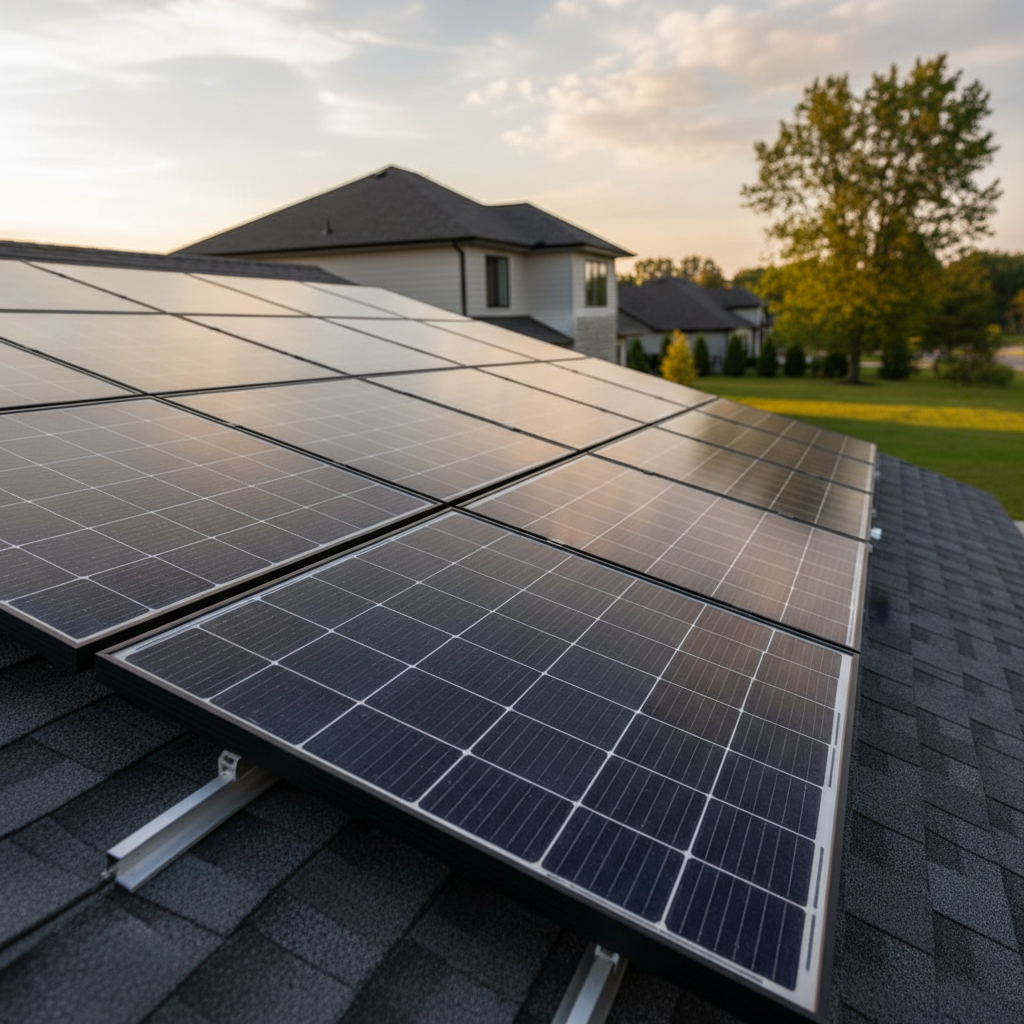
Solar panel installation involves several stages, from initial assessment to system activation. Understanding each step can help homeowners make informed decisions about adopting solar energy. This guide outlines the typical process for installing solar panels on a residential property.
Initial Site Assessment and Design
The process begins with an evaluation of the property’s suitability for solar power. This includes analyzing roof orientation, shading, and structural integrity. Energy consumption patterns are also reviewed to determine appropriate system sizing. Based on this data, a custom solar array design is developed.
Permitting and Approvals
Before installation, necessary permits must be obtained from local authorities. This typically involves submitting detailed system designs and engineering plans for review and approval. Adherence to local building codes and electrical standards is essential throughout this phase.
Solar Panel Mounting and Wiring
Once permits are secured, the physical installation commences. Mounting hardware is attached to the roof structure to secure the solar panels. The panels are then placed and electrically wired together, connecting to an inverter that converts direct current (DC) electricity from the panels into alternating current (AC) for household use.
System Activation and Inspection
After installation, a final inspection by local authorities ensures compliance with all regulations. The utility company then installs a new meter, if necessary, and grants permission to operate the solar energy system. The system is then activated, and homeowners can begin generating their own electricity.
Key Points
- Solar panel suitability is determined by roof characteristics and energy demand.
- Local permits and approvals are a prerequisite for residential solar installations.
- Inverters convert DC electricity from panels to AC for home use.
- Grid interconnection typically involves a new utility meter and final inspection.
- System maintenance ensures continued optimal performance over the long term.
- Understanding local incentives and regulations is part of the planning process.
- Professional installation helps ensure system safety and efficiency.
Tips
- Research local solar energy regulations and incentives applicable to your area.
- Ensure your roof is structurally sound and in good condition before installation.
- Understand the components of your solar system, including panels and inverters.
- Consider potential future energy needs when designing your solar array.
- Familiarize yourself with maintenance recommendations for your solar panels.
Related Searches
- Residential solar panel requirements
- How solar panels are installed on roofs
- Solar panel system components explained
- Permitting process for solar installations
- Maintaining home solar energy systems
- Benefits of residential solar power